Blue Lagoon East Bali Snorkeling Guide 2025 — Padang Bai's Hidden Gem
Everything you need to know about snorkeling at Blue Lagoon East Bali: crystal-clear waters, vibrant coral reefs, tropical fish, entrance fees, how to get there, and nearby attractions in Padang Bai.
← Book Bali ferry tickets & tours
Quick Overview: Blue Lagoon East Bali
Blue Lagoon (locally known as Pasir Putih) is one of East Bali's most spectacular snorkeling destinations, located just a few minutes from the fishing village of Padang Bai. Unlike the more commercialized snorkeling spots in South Bali, Blue Lagoon offers remarkably clear, calm waters teeming with healthy coral reefs and an astonishing variety of tropical marine life — all within easy reach of the shore.
Named for its stunning turquoise-blue waters, this protected bay is sheltered from strong currents, making it an ideal spot for beginner and experienced snorkelers alike. The beach is small but beautiful, fringed by palm trees and offering direct access to the reef.
| Detail | Information |
|---|---|
| Location | Padang Bai, Karangasem, East Bali |
| Best for | Snorkeling, swimming, marine life viewing |
| Entrance Fee | Rp 15,000–25,000 (≈ $1–1.50 USD) |
| Snorkel Gear Rental | Rp 50,000–100,000 (≈ $3–6 USD) |
| Water Visibility | 10–30 meters (excellent in dry season) |
| Water Conditions | Calm, protected bay — very safe swimming |
| Crowds | Moderate (quieter than South Bali spots) |
Where is Blue Lagoon East Bali?
Blue Lagoon is situated on the eastern coast of Bali in the Karangasem Regency, just north of the small port town of Padang Bai. Padang Bai is the main ferry departure point for boats to Nusa Penida, Lombok, and the Gili Islands, making Blue Lagoon an easy add-on before or after a ferry journey.
The beach is tucked away in a small cove approximately 2 km north of Padang Bai's main harbor. It's easily reachable by scooter or on foot — a 15–20 minute walk from the port area along a paved road that winds up the hillside and descends into the bay.
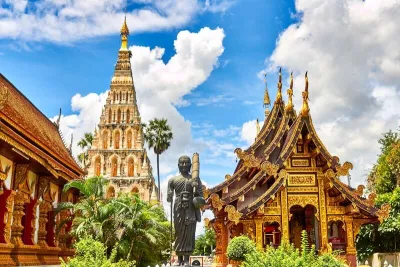
How to Get to Blue Lagoon from Padang Bai
Getting to Blue Lagoon is straightforward, whether you're coming from Padang Bai itself or from further afield in Bali.
From Padang Bai Harbour
- Walking: 15–20 min walk from the harbor area. Follow Jalan Silayukti north, then take the signed turn-off to Blue Lagoon. The path goes uphill first, then descends into the cove.
- Scooter: 5 min from Padang Bai centre. Rent a scooter in town (Rp 50,000–80,000/day). The road is paved but the final descent is a bit steep — drive carefully.
- Taxi/Gojek: Rp 30,000–50,000 from the harbour area. Easily available from the main parking area near the ferry terminal.
From Major Tourist Areas
- From Sanur: 45 min–1 hr by car/scooter (35 km east via Jl. By Pass Ngurah Rai then Jl. Raya Klungkung)
- From Ubud: 1–1.5 hrs (50 km east via Jl. Raya Gianyar)
- From Kuta/Seminyak: 1.5–2 hrs (55 km)
- From Canggu: 2 hrs (60 km)
- From Amed/Tulamben: 1 hr north along the coast road (40 km)
Parking: Rp 2,000 for scooters, Rp 5,000 for cars at the small parking area above the beach.
📍 Pro Tip: Combine with Your Ferry Trip
If you're catching a fast boat from Padang Bai to Nusa Penida or the Gili Islands, arrive a few hours early and visit Blue Lagoon first. The snorkeling is excellent in the morning, and the beach is just a short scooter ride from the ferry terminal. Many travellers make this a two-stop day — morning snorkel at Blue Lagoon, afternoon ferry to Nusa Penida.
Best Time to Visit Blue Lagoon
Dry season (April–October) is the ideal time to visit Blue Lagoon. During these months, the water visibility is at its best (15–30 metres), currents are minimal, and the weather is reliably sunny. June, July, and August offer the most consistent conditions, though expect more visitors during peak European and Australian holiday periods.
Shoulder months (April–May, September–October) are the sweet spot — excellent water clarity with fewer crowds. The water is warmest between November and May (28–30°C / 82–86°F).
Wet season (November–March): While still visitable, rain can reduce visibility and rougher seas may affect snorkeling conditions. However, this period offers a quieter experience with lush green surroundings. Morning visits are recommended during wet season as afternoon thunderstorms are common.
| Season | Months | Visibility | Crowds | Rating |
|---|---|---|---|---|
| Dry Season | Apr–Oct | 15–30m | Moderate–High | ★★★★★ |
| Shoulder | Apr–May, Sep–Oct | 15–25m | Low–Moderate | ★★★★★ |
| Wet Season | Nov–Mar | 5–15m | Low | ★★★☆☆ |
Best time of day: Early morning (7:00–10:00 AM) when the water is calmest and the sun angle gives the best visibility for snorkeling. By mid-afternoon, the bay can get choppier and more crowded.
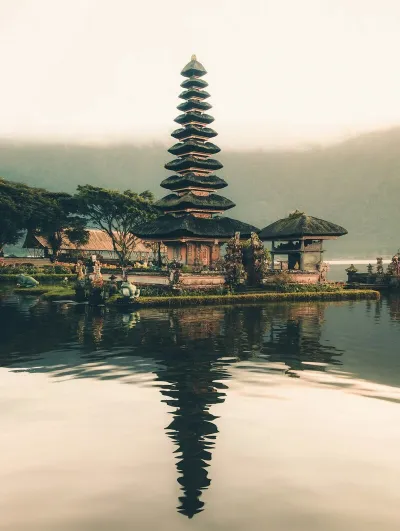
What to Expect: Coral Reefs, Tropical Fish & Clear Waters
Blue Lagoon is consistently rated among the best snorkeling spots in Bali — and for good reason. The offshore reef is in remarkably healthy condition compared to many other Bali snorkeling sites that have suffered from coral bleaching and damage.
Marine Life You'll See
The reef system at Blue Lagoon hosts an impressive variety of marine species. Snorkelers regularly encounter:
- Clownfish (Nemo) — hiding in their host anemones in the shallows
- Parrotfish — colourful grazers that crunch on coral, easily spotted in bright blues, greens, and pinks
- Butterflyfish — striking black-and-yellow patterns, often seen in pairs
- Angelfish — including the majestic emperor angelfish
- Damselfish & Sergeant Majors — abundant in the reef crest zone
- Moray eels — peeking out from crevices (keep a respectful distance)
- Sea turtles — occasionally sighted in the deeper channel areas
- Blue-spotted stingrays — resting on the sandy patches between coral bommies
- Lionfish, scorpionfish, and stonefish — less common but present for keen-eyed snorkelers (do not touch!)
Coral Formations
The reef is a mix of fringing coral that starts just a few metres from shore and drops off into deeper water. You'll find:
- Table corals — large, plate-like formations providing shelter for juvenile fish
- Branching corals — particularly Acropora species in shades of brown, green, and blue
- Soft corals and sea fans — waving in the current along the reef edge
- Bommies — isolated coral heads surrounded by sandy patches, teaming with fish life
The water depth ranges from 1–5 metres close to shore (ideal for beginners) to 10–15 metres further out where the reef drops off. The sandy beach entry is gentle, with no sharp rocks or strong currents to worry about.
Snorkeling Tips for Blue Lagoon
- Bring your own mask & snorkel if possible — rental equipment is available but quality varies. Rental costs Rp 50,000–100,000 at the beach.
- Wear reef-safe sunscreen — regular sunscreen damages coral. Look for mineral-based formulas with zinc oxide or titanium dioxide. Even better, wear a UV-protective rash guard.
- Don't touch the coral — many corals are fragile and a single touch can damage decades of growth. Also, avoid standing on the reef — use sandy areas to rest.
- Go early — before 10 AM for the calmest water, best visibility, and fewer people.
- Bring water shoes — the beach has small pebbles and the coral can be sharp near the entry points.
- Pack a dry bag — for keeping your phone, wallet, and valuables dry while you're in the water.
- Watch the current — while generally mild, there can be a gentle drift along the coast. Swim parallel to the beach, not directly out to sea.
- Stay hydrated — bring plenty of water. There's a small warung selling drinks but options are limited.
- Check the tide — high tide offers the best access to the reef and clearest water over the coral.
- Consider a guided snorkel tour — local guides know the best spots and can point out marine life you might otherwise miss (Rp 150,000–300,000 including gear).

Entrance Fees & Facilities
Blue Lagoon is managed by the local community and the entrance fee is very affordable:
| Item | Price (IDR) | Price (USD) |
|---|---|---|
| Entrance Fee (adult) | Rp 15,000–25,000 | $1–$1.50 |
| Scooter Parking | Rp 2,000 | $0.15 |
| Car Parking | Rp 5,000 | $0.35 |
| Snorkel Gear Rental | Rp 50,000–100,000 | $3–$6 |
| Life Jacket Rental | Rp 20,000–50,000 | $1.50–$3 |
| Changing Room / Shower | Rp 5,000–10,000 | $0.35–$0.70 |
Facilities at Blue Lagoon
- Warungs & Food Stalls — a few small warungs serve satay, nasi goreng, fresh coconut, and cold drinks. Don't expect a full restaurant — it's basic village fare but tasty.
- Toilets & Changing Rooms — basic facilities available for a small fee.
- Snorkel Rental Huts — 2–3 rental points offering masks, snorkels, fins, and life jackets.
- Shaded Seating — limited shaded areas under trees. Bring a sarong or towel for sitting.
- No ATM — the nearest ATMs are in Padang Bai town, a 15-minute walk away. Bring enough cash.
Nearby Attractions — More to Explore in East Bali
Blue Lagoon is just one of several incredible spots in the Padang Bai area. Make a day of it by visiting these nearby attractions:
Tanjung Jepun
Just a 5-minute walk south from Blue Lagoon, Tanjung Jepun (also known as Jepun Beach) is a smaller, quieter cove with dramatic rocky cliffs and crystal-clear water. It's less frequented by tourists and offers good snorkeling along the rocky edges. The Tanjung Jepun viewpoint at the headland provides stunning panoramic views of the East Bali coastline — particularly beautiful at sunrise.
Entry: Free (parking Rp 2,000 scooter / Rp 5,000 car)
Bias Tugel Beach
Located on the opposite (south) side of the Padang Bai peninsula, Bias Tugel is a beautiful white sand beach accessed via a steep path down the cliff from the Padang Bai–Kusamba road. The walk down takes about 10–15 minutes and rewards you with a secluded stretch of sand that's popular with local families on weekends. The water here is excellent for swimming, though the beach can get strong currents — stick to the sheltered areas.
Entry: Rp 10,000–15,000 (≈ $0.70 USD)
Padang Bai Harbour & Temple
The charming fishing village of Padang Bai itself is worth exploring. The Pura Silayukti temple sits on a hilltop overlooking the harbour and is one of East Bali's most historically significant temples. The harbour area is also where you'll catch ferries to Nusa Penida, Lombok, and the Gili Islands — making Padang Bai a strategic base for island hopping.
Candi Dasa
A 20-minute drive east, Candi Dasa is a laid-back coastal town with a lagoon, traditional fishing boats, and several beachfront cafes. It's a great spot for lunch after your Blue Lagoon snorkeling session.
Tirta Gangga Water Palace
About 30 minutes north of Padang Bai, the Tirta Gangga Water Palace is a stunning royal water garden with ornate fountains, koi ponds, and stone carvings. Entrance is Rp 50,000. Combine it with a trip to Blue Lagoon for a full East Bali day tour.

Blue Lagoon vs Other Bali Snorkeling Spots
| Factor | Blue Lagoon | Amed / Jemeluk | Nusa Lembongan |
|---|---|---|---|
| Accessibility | Very easy (walk from Padang Bai) | Easy (roadside access) | Requires boat ride |
| Coral Health | Excellent | Very Good | Good |
| Marine Life | Abundant & diverse | Very diverse | Good (manta rays at Manta Point) |
| Water Clarity | Excellent (10–30m) | Excellent (10–30m) | Good (5–15m) |
| Entry Fee | ~$1 | Free | ~$1.50 + ferry cost |
| Best for | Easy day trip from South Bali | Extended East Bali itinerary | Multi-day island trip |
What to Bring to Blue Lagoon
- Snorkel mask & fins (or rent on-site)
- Reef-safe sunscreen — essential for protecting the coral ecosystem
- Rash guard / UV shirt — provides sun protection without harming reefs
- Water shoes — for the pebbly beach and reef entry areas
- Dry bag — for keeping phone and wallet safe
- Towels — there are no towel rentals on-site
- Cash — no ATMs at the beach. Bring enough for entrance, food, and rental fees
- Water bottle — stay hydrated (reusable is best)
- Underwater camera / GoPro — the marine life is incredibly photogenic
- Insect repellent — especially if you stay until late afternoon
- Sarong — useful as a changing robe and for sitting on the beach
Frequently Asked Questions
Is Blue Lagoon East Bali free?
No, there's a small entrance fee of Rp 15,000–25,000 (around $1–$1.50 USD) per person. Parking is extra but very affordable — Rp 2,000 for scooters.
How do I get to Blue Lagoon from Padang Bai?
Blue Lagoon is about 2 km north of Padang Bai harbour. You can walk there in 15–20 minutes, take a taxi/Gojek for Rp 30,000–50,000, or drive a scooter in 5 minutes. The beach is well-signposted once you reach the Padang Bai area.
Is Blue Lagoon good for beginner snorkelers?
Absolutely. The bay is sheltered from strong currents, the water is calm and clear, and the reef starts just a few metres from shore in shallow water (1–3 metres deep near the beach). It's one of the best beginner snorkeling spots in Bali.
What marine life can I see at Blue Lagoon?
Expect to see clownfish, parrotfish, butterflyfish, angelfish, damselfish, sergeant majors, and sometimes moray eels, blue-spotted stingrays, and even sea turtles. The coral diversity is excellent, with table corals, branching corals, and soft corals throughout the reef.
When is the best time of day to visit Blue Lagoon?
Early morning between 7:00–10:00 AM is the best time for snorkeling. The water is calmest, visibility is at its peak, and there are fewer visitors. By mid-afternoon, the wind picks up and the water can become choppier.
Are there restaurants at Blue Lagoon?
There are a few basic warungs (local food stalls) serving Indonesian classics like nasi goreng, mie goreng, satay, and fresh coconut. For a wider range of dining options, head back to Padang Bai town (10–15 min walk) or Candi Dasa (20 min drive).
Can I visit Blue Lagoon and Bias Tugel beach in one day?
Yes, easily. Blue Lagoon is on the north side of the Padang Bai peninsula and Bias Tugel is on the south side — they're only about 3 km apart. Start with a morning snorkel at Blue Lagoon, then hike down to Bias Tugel for swimming and sunbathing in the afternoon.
Is Blue Lagoon suitable for children?
Yes, the shallow, calm waters make it a safe swimming spot for children. The beach entry is gentle and there are no strong waves in the sheltered bay. However, keep a close eye on little ones near the reef edge where the water deepens. Life jackets are available for rent.
Do I need to book in advance to visit Blue Lagoon?
No. Blue Lagoon is a public beach and no advance booking is required. Simply show up during opening hours, pay the entrance fee, and enjoy. If you want a guided snorkel tour, you can book on arrival or arrange through a local operator in Padang Bai.
What other attractions are near Blue Lagoon?
Nearby attractions include Tanjung Jepun (5 min walk), Bias Tugel beach (10 min drive), Padang Bai Harbour and Pura Silayukti temple, Candi Dasa (20 min drive), Tirta Gangga Water Palace (30 min drive), and the ferry ports for Nusa Penida and the Gili Islands. East Bali is packed with things to see — a full-day itinerary can easily cover multiple spots.
Plan Your East Bali Snorkeling Trip
Book your Bali ferry tickets and tours on BaliGoat — instant e-tickets, no hidden fees, 24/7 support via WhatsApp. Whether you're heading to Blue Lagoon, Nusa Penida, or the Gili Islands, we've got you covered. Trusted by 50,000+ travellers.